How To Know Which Career Is Right for Me in 2026 and Beyond
How To Know Which Career Is Right for You in 2026 and Beyond and Why Choosing the Right Career Matters More Than Ever
Choosing a career has never been a simple decision, but in 2026, it has become even more important. The modern workplace is evolving at an unprecedented pace. New technologies are emerging, industries are transforming, and jobs that did not exist a decade ago are now among the most sought-after professions. At the same time, some traditional roles are being automated or significantly reshaped by artificial intelligence. This rapid evolution means that selecting a career is no longer just about finding a job; it is about building a long-term path that can adapt and grow alongside changing market demands.
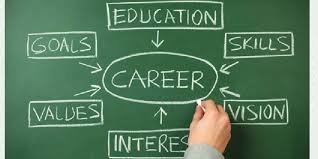
Many people assume that choosing the highest-paying profession automatically guarantees success and happiness. In reality, career satisfaction depends on much more than income. A well-chosen career aligns with your interests, strengths, personality, values, and long-term goals. When these elements come together, work becomes more meaningful and rewarding. Employees who genuinely enjoy their careers often perform better, develop stronger professional relationships, and experience higher levels of job satisfaction.
The consequences of choosing the wrong career can be significant. Many professionals spend years feeling disconnected from their work because they selected a path based solely on external influences such as family expectations, social pressure, or salary potential. Understanding how to identify the right career for yourself can help you avoid these pitfalls and create a future filled with growth, purpose, and stability. In a world where change is constant, making an informed career decision is one of the most valuable investments you can make in yourself.
Understanding Yourself Before Choosing a Career
Before exploring job opportunities, industries, or salary expectations, the most important step is understanding yourself. Self-awareness serves as the foundation for every successful career decision. Many individuals rush into career choices without taking the time to examine their interests, talents, and motivations. This often leads to frustration and career changes later in life. Knowing yourself allows you to make decisions based on personal compatibility rather than external influences.
Start by identifying activities that naturally capture your attention. Think about the subjects you enjoy learning about, the hobbies you pursue voluntarily, and the types of problems you like solving. If you find yourself constantly interested in technology, software development, and digital innovation, careers in information technology may be worth exploring. If you enjoy helping people and understanding human behavior, healthcare, counseling, or education might be suitable options. Your interests often provide valuable clues about the environments where you are most likely to thrive.
Understanding your strengths is equally important. Some individuals excel at analytical thinking, while others are naturally creative or skilled communicators. Consider feedback you have received from teachers, colleagues, supervisors, and friends. Patterns often emerge that reveal your strongest abilities. At the same time, recognizing weaknesses helps you avoid career paths that may consistently feel challenging or unfulfilling. The goal is not to find a perfect career with no obstacles but to identify one where your natural talents can be developed and utilized effectively.
Self-awareness also involves understanding your personality. Introverted individuals may prefer focused, independent work environments, while extroverts often enjoy collaborative and people-centered roles. Knowing how you interact with others can help narrow your career options and increase the likelihood of long-term satisfaction.
Evaluating Your Values and Life Goals
Career decisions should not be based solely on skills and interests. Your personal values and life goals play a crucial role in determining whether a career will truly satisfy you. Values represent the principles and priorities that guide your decisions. Some people prioritize financial security, while others place greater importance on flexibility, creativity, social impact, or work-life balance. Understanding what matters most to you helps create a career path that supports your broader vision for life.
Financial goals are often one of the first considerations. If your objective is to achieve a high level of financial independence quickly, careers in finance, technology, engineering, or specialized healthcare fields may align with your ambitions. However, income should not be the only deciding factor. A high-paying job that causes constant stress or lacks personal meaning may not provide long-term fulfillment.
Work-life balance has become increasingly important in recent years. Many professionals are seeking careers that allow them to spend more time with family, pursue personal interests, and maintain overall well-being. Remote work opportunities, flexible schedules, and hybrid work arrangements have transformed expectations about employment. When evaluating career options, consider how each path aligns with the lifestyle you envision for yourself.
Purpose and impact also influence career satisfaction. Some individuals are deeply motivated by helping others, advancing scientific knowledge, protecting the environment, or contributing to social change. Careers in healthcare, education, non-profit organizations, and environmental sustainability often appeal to those seeking meaningful work. By identifying your core values early, you can focus on opportunities that align with both your professional aspirations and personal priorities.
Exploring Career Opportunities in 2026
The job market in 2026 offers a wide range of opportunities across traditional and emerging industries. Technological innovation continues to create new career paths while transforming existing professions. Understanding current market trends can help you identify fields with strong growth potential and long-term stability.
Technology remains one of the most dynamic sectors. Careers in artificial intelligence, cybersecurity, cloud computing, software development, data analytics, and machine learning continue to experience significant demand. Organizations across every industry rely on technology professionals to improve efficiency, security, and innovation. Individuals with strong technical skills and a willingness to learn can find numerous opportunities within this rapidly evolving field.
Healthcare is another sector experiencing sustained growth. Aging populations, medical advancements, and increased healthcare accessibility are driving demand for doctors, nurses, medical laboratory scientists, healthcare administrators, and allied health professionals. Healthcare careers often provide a combination of job security, meaningful work, and opportunities for advancement.
Green energy and sustainability-related professions are becoming increasingly important as governments and businesses invest in environmental solutions. Careers in renewable energy, environmental engineering, sustainability consulting, and climate technology are expected to expand significantly. Similarly, biotechnology, digital marketing, e-commerce, logistics, and remote service industries continue to create new employment opportunities.
Exploring career options requires more than reading job descriptions. Research industry trends, speak with professionals working in fields of interest, attend career events, and study labor market forecasts. The more information you gather, the more confident and informed your decisions will become.
Using Career Assessments Effectively
Career assessments have become valuable tools for individuals seeking greater clarity about their professional direction. While no assessment can definitively determine your ideal career, these tools can provide useful insights into your personality, interests, strengths, and work preferences. When used correctly, they serve as guides rather than final answers.
Personality assessments help identify behavioral tendencies and preferred working styles. Some people enjoy structured environments with clear procedures, while others thrive in creative and flexible settings. Understanding these preferences can help you identify workplaces where you are likely to feel comfortable and productive. Personality assessments often highlight potential career categories that align with your natural characteristics.
Skills and aptitude assessments focus on measuring abilities such as logical reasoning, problem-solving, verbal communication, numerical analysis, and technical competence. These evaluations can reveal strengths that may not be immediately obvious. For example, someone who excels at analytical reasoning may be well-suited for careers in engineering, data science, finance, or research.
Career assessments should be viewed as part of a broader decision-making process. Results should be combined with self-reflection, real-world experience, professional guidance, and market research. Relying exclusively on test results can lead to oversimplified conclusions. The most effective approach involves using assessments as starting points for deeper exploration and self-discovery.
Professional career counseling can also provide valuable support. Experienced career advisors can help interpret assessment results, identify suitable career paths, and develop personalized action plans. For individuals feeling uncertain about their future, guidance from a qualified counselor can significantly improve confidence and decision-making.
Gaining Real-World Experience Before Committing
One of the most effective ways to determine whether a career is right for you is through direct experience. Reading about a profession provides useful information, but actual exposure offers insights that cannot be obtained from articles, videos, or career guides. Experiencing a role firsthand allows you to evaluate whether the daily responsibilities, work environment, and challenges align with your expectations.
Internships provide excellent opportunities to explore potential careers. Students and recent graduates can gain practical experience while developing professional skills and industry knowledge. Internships often reveal aspects of a profession that are not immediately visible from the outside. They help individuals determine whether their interests translate into genuine career satisfaction.
Volunteer work offers another valuable pathway for exploration. Many organizations welcome volunteers across sectors such as healthcare, education, community development, and environmental conservation. Volunteering allows you to contribute meaningfully while testing your interest in specific fields. It also helps build networks and strengthen your resume.
Freelancing and personal projects have become increasingly accessible in the digital age. Aspiring software developers can build applications, writers can create blogs, designers can develop portfolios, and marketers can manage social media campaigns. These experiences provide practical exposure while allowing you to evaluate your enthusiasm for the work. Think of career exploration as test-driving a vehicle before purchasing it. Real-world experience helps ensure that your chosen path aligns with your interests and expectations before making a long-term commitment.
Avoiding Common Career Selection Mistakes
Many people make career decisions based on incomplete information or external pressures. Avoiding common mistakes can significantly improve your chances of selecting a fulfilling and sustainable profession. One of the most frequent errors is blindly following trends. Just because a particular career is popular today does not guarantee long-term satisfaction or future demand.
Social media often highlights success stories that make certain professions appear glamorous and effortless. However, every career involves challenges, responsibilities, and ongoing learning. Choosing a career solely because it is currently fashionable can lead to disappointment if your interests and abilities do not align with the role. Trends change, but personal compatibility remains essential.
Another common mistake is allowing family or societal expectations to dictate career choices. While advice from loved ones can be valuable, your career ultimately belongs to you. Selecting a profession primarily to satisfy others can result in dissatisfaction and regret. The most successful careers often emerge when individuals balance external guidance with personal interests and goals.
Ignoring market realities can also create challenges. Passion is important, but understanding industry demand, growth potential, and required qualifications is equally critical. The ideal career combines personal interest with realistic opportunities for employment and advancement. Conduct thorough research before committing to a specific path.
Fear of failure sometimes prevents individuals from exploring new possibilities. Many people remain in unsuitable careers because they worry about starting over or taking risks. Career development is rarely a straight line. Being open to change, experimentation, and continuous learning can lead to unexpected opportunities and long-term success.
Building a Future-Proof Career Strategy
The concept of a single lifelong career is becoming less common. Instead, professionals increasingly build adaptable careers that evolve alongside technological advancements and economic changes. Developing a future-proof career strategy requires a commitment to lifelong learning and continuous improvement.
Learning should not stop after graduation. Industries evolve rapidly, and professionals who regularly update their skills remain more competitive and employable. Online courses, certifications, workshops, conferences, and professional memberships provide opportunities to stay current with industry developments. Investing in your education is one of the most reliable ways to protect your career from disruption.
Adaptability has become one of the most valuable professional traits. New technologies, business models, and workplace expectations emerge constantly. Individuals who embrace change and develop transferable skills are better positioned to navigate uncertainty. Skills such as communication, critical thinking, leadership, emotional intelligence, and problem-solving remain valuable across industries and job roles.
Networking also plays an important role in career resilience. Building relationships with colleagues, mentors, industry experts, and professional communities can create opportunities for learning, collaboration, and career advancement. Strong professional networks often provide access to information and opportunities that are not publicly advertised.
The most successful professionals approach career development as an ongoing journey rather than a single decision. By remaining curious, adaptable, and proactive, you can build a career capable of thriving in both current and future job markets.
Signs You Have Found the Right Career
Identifying the right career is not always accompanied by a dramatic moment of certainty. Instead, it often becomes evident through a series of positive experiences and consistent feelings of engagement. One strong indicator is genuine interest in your work. When you naturally enjoy learning more about your field and feel motivated to improve your skills, it suggests strong alignment between your career and personal interests.
Another sign is the ability to use your strengths regularly. People tend to perform better and experience greater satisfaction when their daily responsibilities align with their natural talents. You may notice increased confidence, productivity, and enjoyment when working in areas where you excel.
The right career also supports your broader life goals. Whether your priorities involve financial security, flexibility, social impact, creativity, or personal growth, your profession should contribute positively to those objectives. A career that consistently conflicts with your values or desired lifestyle may not be the best long-term fit.
Challenges and difficult days will always exist, regardless of the profession. The difference is that in the right career, obstacles feel worthwhile because they contribute to meaningful progress and personal development. When you can envision yourself growing within a field for years to come, it often indicates that you have found a path worth pursuing.
Summary
Choosing the right career in 2026 and beyond requires a combination of self-awareness, research, practical experience, and strategic planning. The modern job market offers more opportunities than ever before, but it also demands careful consideration and adaptability. Understanding your interests, strengths, values, and long-term goals provides the foundation for making informed decisions.
Career assessments, internships, volunteering, and industry research can help clarify your options while reducing uncertainty. Avoiding common mistakes such as following trends blindly or making decisions based solely on external pressure increases the likelihood of finding a fulfilling path. At the same time, developing transferable skills and embracing lifelong learning ensures long-term career resilience.
The right career is not necessarily the highest-paying or most prestigious option. It is the one that aligns with who you are, supports your goals, and allows you to grow professionally and personally. By approaching career selection thoughtfully and proactively, you can build a future that is both successful and meaningful.
FAQs
1. How do I know which career suits my personality?
Start by evaluating your interests, strengths, values, and preferred work environment. Personality assessments and career counseling can provide additional insights.
2. Should I choose a career based on salary?
Salary is important, but it should not be the only factor. Long-term satisfaction usually comes from balancing income, interests, skills, and personal values.
3. What are the most future-proof careers in 2026?
Technology, healthcare, biotechnology, renewable energy, cybersecurity, data science, and digital business-related careers are among the fastest-growing fields.
4. Can I change careers later if I make the wrong choice?
Yes. Many professionals successfully transition into new careers throughout their lives. Continuous learning and transferable skills make career changes more achievable than ever.
5. Are career assessments accurate?
Career assessments can provide valuable guidance, but they should be used alongside self-reflection, research, and practical experience rather than as the sole basis for decision-making.
Difference Between Career and Occupation
Understanding the difference between career and occupation is important for anyone trying to make informed decisions about education, employment, and long-term professional growth. These two terms are often used interchangeably in everyday conversations, but they actually describe very different concepts. While both relate to work and earning a living, they differ in meaning, purpose, direction, and personal development.
In a rapidly changing world of work in 2026 and beyond, knowing this distinction can help you plan better, choose smarter opportunities, and build a more meaningful professional life. Let’s break it down clearly and practically.
What Is an Occupation?
An occupation is the type of work a person does to earn a living. It is usually focused on a specific job or task performed in exchange for payment. Occupation is more about what you are doing right now rather than long-term growth or planning.
For example:
- A teacher working in a school
- A driver operating a taxi or bus
- A cashier working in a supermarket
- A security guard at a company
Each of these is an occupation because it describes a person’s current job role.
An occupation does not necessarily require long-term planning or progression. It is mainly concerned with earning income and performing duties assigned to that job. Many people may change occupations multiple times in their lifetime depending on opportunities, financial needs, or personal circumstances.
Key Characteristics of an Occupation
- Focuses on present work activity
- Primarily income-driven
- May not require long-term planning
- Can change frequently
- Limited or no structured growth path
An occupation is like a snapshot of what you are doing at a specific point in time.
What Is a Career?
A career is a long-term journey of professional growth, development, and advancement in a chosen field or combination of fields. Unlike an occupation, a career is not just about the job you have today—it is about your entire professional life path.
For example:
Someone may start as a junior software developer, then become a senior developer, then a tech lead, and eventually a software architect. That entire progression is a career in software engineering.
A nurse may grow from a trainee nurse to a registered nurse, then to a senior nurse or healthcare manager.
A career reflects growth, learning, and progression over time.
- Key Characteristics of a Career
- Long-term professional journey
- Focus on growth and advancement
- Includes multiple related jobs or roles
- Requires planning and skill development
- Often aligned with personal goals and interests
A career is like a roadmap that shows where you are going professionally, not just where you are right now.
Key Differences Between Career and Occupation
To understand the distinction more clearly, here is a simple comparison:
Feature Occupation Career
Meaning Current job or work activity Long-term professional journey
Time Frame Short-term Long-term
Focus Earning income Growth and development
Job Changes May change frequently Evolves through stages
Planning Minimal planning required Requires strategic planning
Example Driver, cashier, cleaner Engineer, doctor, lawyer
This table shows that while occupation is about “what you do now,” career is about “where your work life is heading.”
How Occupation and Career Work Together
Even though they are different, occupation and career are closely connected. Your occupation is often part of your larger career path.
For example:
A student working part-time as a receptionist has an occupation.
If that student later becomes an HR manager, the receptionist job becomes one step in their broader career journey in human resources.
This means your occupation can change many times, but your career builds over time through experience, learning, and skill development.
Think of it like building a house:
Occupation = individual bricks
Career = the entire house built from those bricks
Both are important, but they serve different purposes.
Why Understanding the Difference Matters in 2026
In today’s fast-changing job market, especially in 2026, many people struggle with career confusion. Technology, automation, and remote work have created new job opportunities while reducing others. Because of this, understanding the difference between career and occupation is more important than ever.
1. Better Career Planning
When you understand that a career is long-term, you begin to make smarter decisions about education, training, and skill development.
2. Improved Job Satisfaction
People who think in terms of careers rather than just occupations tend to feel more fulfilled because they see purpose in their work journey.
3. Stronger Adaptability
In a world where jobs change quickly, focusing on career growth helps you adapt instead of feeling stuck in one occupation.
4. Smarter Skill Development
Career thinking encourages continuous learning, while occupation thinking may limit growth to just current job requirements.
Examples to Make It Even Clearer
Let’s look at real-life scenarios:
Example 1: Healthcare Field
Occupation: Hospital receptionist
Career: Healthcare administration professional
Example 2: Technology Field
Occupation: Data entry clerk
Career: Data analyst or data scientist
Example 3: Education Field
Occupation: Private tutor
Career: Education consultant or academic lecturer
These examples show how an occupation can be part of a larger career journey.
Common Misconceptions
Many people confuse these terms, leading to misunderstanding in career planning.
Misconception 1: They mean the same thing
They do not. One is short-term (occupation), and the other is long-term (career).
Misconception 2: You only have one occupation in life
People often change jobs many times, so occupations can vary widely.
Misconception 3: Career is only for professionals
Everyone has a career path, whether skilled, technical, or professional.
Conclusion
The difference between career and occupation lies mainly in time, purpose, and direction. An occupation is the job you are currently doing to earn income, while a career is the long-term journey of growth and professional development across multiple roles.
Understanding this difference helps you make better choices, think long-term, and build a more meaningful working life. Instead of focusing only on short-term jobs, focusing on your career allows you to develop skills, gain experience, and move toward your goals with clarity and confidence.
FAQs
1. Is occupation part of a career?
Yes. An occupation is usually a single job within your broader career path.
2. Can I have multiple occupations in one career?
Yes. Many people change jobs frequently while staying within the same career field.
3. Is career more important than occupation?
Career is more long-term, but both are important. Occupation provides income, while career provides direction.
4. Can my occupation change my career?
Yes. Changing occupations can shift or reshape your career path over time.
5. Do students have a career?
Yes. Students are at the beginning of their career journey as they prepare for future occupations.
Comments (0)
No comments yet. Be the first to comment.
Leave a Comment
Start Building Your Future Today
Join thousands of professionals and employers already transforming careers and recruitment experiences through MyJobHope.