How to Pass Job Interviews in Nigeria (Complete Guide for Job Seekers in 2026)
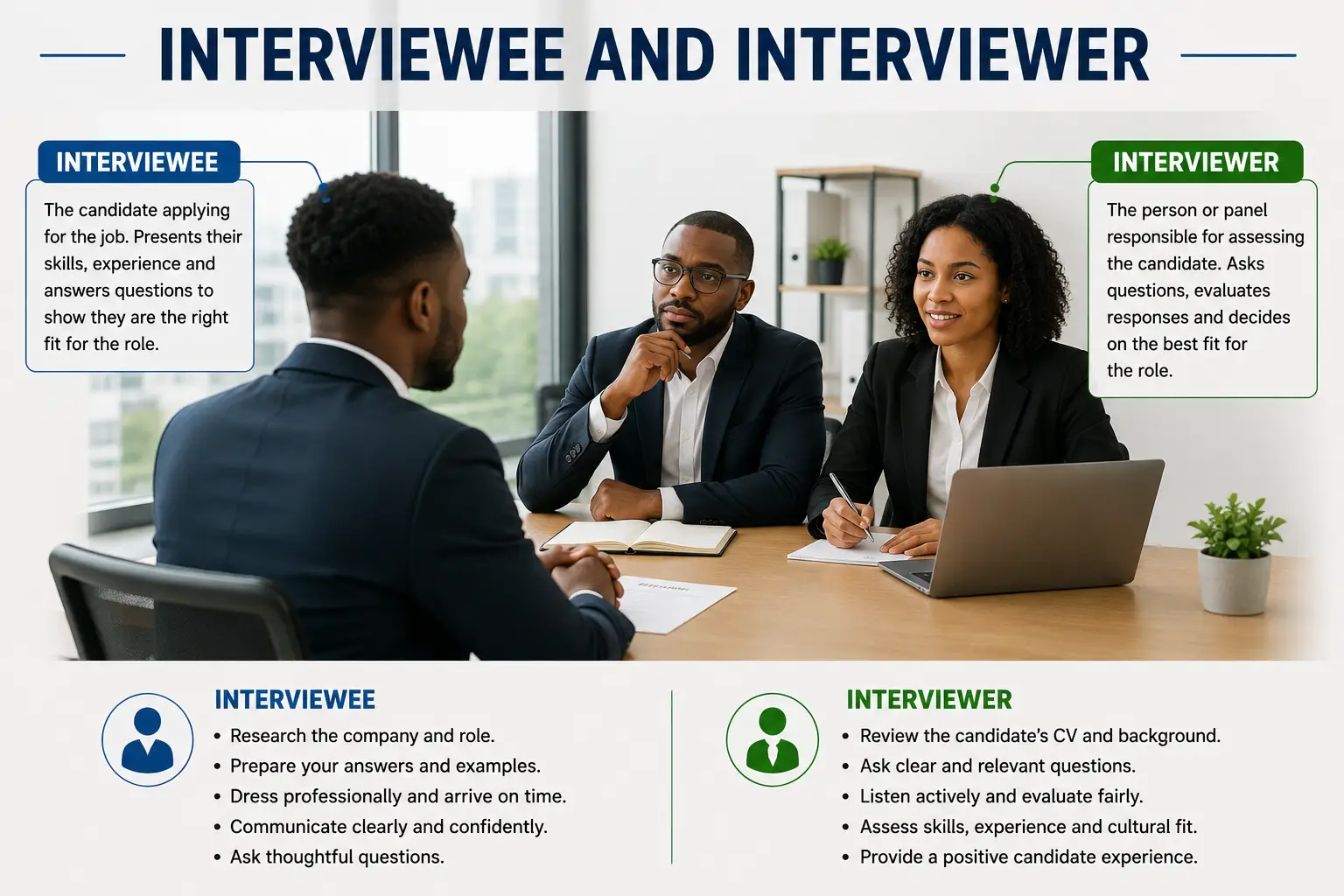
Passing job interview is much about thorough preparation, effective communication, confidence, and demonstrating the value you have to offer. During our interview, focus on skills, adaptability, and problem-solving abilities rather than trusting solely on your academic and professional qualifications. Most candidates who research companies they applied and practice responses along effective application letter for the applied role, understand job requirements, and communicate effectively during interview place themselves in a much stronger position for success. Bear in mind that every interview presents an opportunity to for you to learn and improve, even unsuccessful interviews can provide valuable experience that will strengthen your future performance and make you better. The most successful job seekers approach interviews with curiosity, preparation, and confidence. By applying the strategies outlined in this guide, you can significantly improve your chances of standing out from the competition and securing the job you dreamed and live better life.

Data we collect from many candidates shows that interview preparation should no longer focus solely on memorizing answers but skills and problem-solving. This is because employers want candidates who can demonstrate problem-solving ability, communicate effectively, adapt to their work culture and ethic, value, and real-world achievements. They are looking for people who can contribute value from day one. Do not think that interview success is based on luck. It is largely determined by preparation, skills, communication, confidence, and the ability to connect your experience with the employer's needs i.e. connect your solution with employers problem.
Interview Preparation
Adequate preparation is key for any success as it instill candidate's confidence and reduces nervousness when confronted with any task in an interview. This is due to the fact that one who prepare understands what the role requires because he/she read the job descriptions, and understand how his/her experience relates to the needs of the company, work and close the gaps prior to interview, understand what the company does.
Instead of struggling to think while answering questions during the interview, you will naturally communicate your value with confidence, demonstrate your professionalism as recruiters normally appreciate candidates who respect their time enough to research the organization beforehand. Those who walk into an interview without knowing the company's products, services, mission, or recent achievements immediately creates a negative impression for themselves and end up losing the job.
Employers Expectation
Statistics shows that employers consistently prioritize a combination of technical expertise and soft skills alongside communication, teamwork, critical thinking, problem-solving, adaptability, ethic, and professionalism. Research show that many organizations are quickly adapting value demonstrated competencies over educational qualification. Although, both matters but value demonstration is gaining more attention in todays competitive world. Hiring managers want evidence that you can solve problems, collaborate with colleagues (manage task, timeline, resolve conflict), and contribute positively to company culture. They are also looking for candidates who show enthusiasm for learning and self development.
Researching the Company
Most overlooked company research yet powerful interview strategies due to the fact that understanding what they do place you on the same page. Once you applied with a company, research their website, social media channels, recent news releases, products, services, values, and leadership team to understand what the company's goals, it will allow you to tailor your responses and demonstrations in alignment with its mission. This factor will separate you from other candidate as exceptional one. Always focus on understanding what challenges the company is trying to solve and how your skills can contribute to those objectives. Review recent developments, expansion plans, or new products. During the interview, reference your work experience in relation to the problem, product or services, demonstrates initiative and preparation.
Understanding the Job Description
Job description is the core mark of every job interview, successful candidates study it carefully because every bullet point provides clues about what the employer values most and it is what they are looking for.
Therefore, highlight the required skills, responsibilities, qualifications, and competencies listed. Then compare and identify from your own experience that demonstrate each requirement, understand the matching ones and work on the gaps. If teamwork is emphasized, prepare stories that showcase collaboration. If leadership is mentioned, think of examples where you took initiative. If problem-solving is critical, prepare situations where you overcame challenges, present a real-life situation from you passed experience.
Matching Your Skills to Employer Needs
Here, create a list of your accomplishments especially projects or tasks and connect each one to a requirement in the job description. This preparation will allow you to answer questions confidently and provide evidence of your abilities to handle tasks effectively. Employers are motivated when you link experience with their requirements that prove results than by generic statements about being hardworking or motivated without solving a problem.
Building Confidence Before Interview Day
Confidence is usually developed through preparation, repetition, and experience it is not something that every one is born with. Many candidates assume that successful interviewees are naturally confident speakers while in reality, most confident candidates where once nervous but have simply practiced extensively.
Think of interview preparation like training for a sporting event who do not wait until competition day to start practicing but train repeatedly until their performance becomes natural. The same principle applies to interviews. Practice reduces nervousness and allows you to focus on connecting with the interviewer.
Practicing Common Interview Questions
Practice by record yourself answering questions, conduct mock interviews with friends, looking yourself inside mirror or use interview simulation tools. Research suggests that mock interview experiences can significantly improve candidate confidence and communication effectiveness.
Note that interview questions are designed to reveal how you think, communicate, and solve problems effectively. Bear in mind that employers are not simply evaluating your answers; they are evaluating your approach, confidence, and professionalism in relation to your skills and their requirements. Think of interview session as presenting proposal that will solve their problem.
Answering “Tell Me About Yourself”
This question often determines the tone of the entire interview, a strong answer should be concise, relevant, and structured. Begin with your current position or educational background, highlight key achievements, and explain why you are interested in the opportunity.
Avoid sharing unrelated personal details. Instead, focus on experiences that demonstrate your suitability for the role. Think of your response as a movie trailer that encourages the interviewer to learn more about you.
Handling Behavioral Questions
Behavioral questions explore how you handled situations in the past because employers believe past behavior predicts future performance. Examples include questions about teamwork, conflict resolution, leadership, problem-solving, and handling pressure.
These questions are excellent opportunities to showcase achievements. Use specific examples rather than general statements. Detailed stories make your responses more credible and memorable.
Using the STAR Framework
The STAR Framework remains one of the most effective methods for answering behavioral questions.
- Situation: Describe the context.
- Task: Explain your responsibility.
- Action: Describe what you did.
- Result: Share the outcome.
Using STAR helps structure your responses logically and ensures you provide enough detail without rambling. Employers appreciate candidates who communicate clearly and demonstrate measurable results.
Answering Strength and Weakness Questions
When discussing strengths, focus on qualities relevant to the role and support them with examples. Instead of saying, "I am a good communicator," explain a situation where effective communication produced positive results.
For weaknesses, choose an area you are actively improving. Avoid pretending you have no weaknesses. Employers value self-awareness and continuous improvement. Discuss what you have learned and the steps you are taking to develop.
Excelling in Different Interview Formats
Modern recruitment involves multiple interview formats. Understanding each format helps you adapt your approach and maximize performance.
Virtual Interviews
Virtual interviews have become a standard part of the hiring process. Many employers use video interviews for initial screening because they save time and reduce costs. Candidates should ensure a stable internet connection, professional background, good lighting, and minimal distractions.
Practice maintaining eye contact by looking at the camera rather than the screen. Test your equipment beforehand and dress professionally. Small details can significantly influence first impressions.
Panel Interviews
Panel interviews involve multiple interviewers evaluating a candidate simultaneously. These interviews can feel intimidating, but preparation makes them manageable. Address each panel member respectfully and maintain eye contact with everyone throughout the discussion.
Listen carefully to questions and ensure your responses engage the entire group. Panel interviews often assess communication, confidence, and the ability to interact with multiple stakeholders.
Technical and Skills-Based Interviews
Skills-based hiring continues to grow, and many employers now require candidates to demonstrate practical abilities during interviews. Technical assessments, case studies, presentations, and problem-solving exercises have become increasingly common.
Preparation should include reviewing technical concepts, practicing relevant tasks, and explaining your thought process. Employers often care as much about how you approach a problem as they do about the final answer.
Communication Skills That Impress Recruiters
Communication remains one of the most valuable skills in any interview. Even highly qualified candidates can struggle if they fail to communicate effectively.
Interviewers evaluate verbal communication, listening skills, confidence, professionalism, and interpersonal abilities throughout the conversation. Strong communication helps establish trust and credibility.
Body Language and First Impressions
First impressions form quickly. Your appearance, posture, facial expressions, handshake, and eye contact all contribute to the interviewer's perception. Confident body language signals professionalism and competence.
Maintain an upright posture, smile naturally, and avoid fidgeting. Your body language should reinforce your verbal message. Think of communication as an orchestra where every instrument must work together harmoniously.
Active Listening and Professional Communication
Great interviews are conversations, not monologues. Listen carefully to questions before responding. Avoid interrupting and seek clarification when necessary.
Professional communication also involves concise responses. Provide enough detail to answer the question thoroughly without drifting off-topic. Strong listening skills demonstrate respect and improve the quality of your answers.
Avoiding Common Interview Mistakes
Even qualified candidates can undermine their chances through avoidable mistakes. Understanding these pitfalls helps you avoid them and maintain a professional image.
Mistakes That Lead to Rejection
Mistake Impact
- Arriving late Signals poor reliability
- Lack of company research Demonstrates low interest
- Negative comments about previous employers Raises concerns about professionalism
- Poor communication Reduces credibility
- Generic answers Makes candidates forgettable
- Lack of questions Suggests limited interest
- Overconfidence or arrogance Damages rapport
Many candidates fail because they focus exclusively on answering questions while neglecting relationship-building. Employers want competent professionals, but they also want colleagues who will contribute positively to the workplace environment.
What to Do After the Interview
The interview does not end when the conversation finishes. Post-interview actions can influence hiring decisions and reinforce positive impressions.
Following Up Professionally
Send a thank-you email within 24 hours of the interview. Express appreciation for the opportunity, highlight key discussion points, and reaffirm your interest in the position. This simple gesture demonstrates professionalism and enthusiasm.
If you do not receive a response within the stated timeline, follow up politely. Professional persistence shows interest without appearing desperate. Remember that hiring processes often take longer than candidates expect. Recent hiring reports indicate that interview timelines are becoming increasingly lengthy as organizations use multiple evaluation stages.
Interview Application Letter Writing: A Complete Guide for Job Seekers
An interview application letter, often called a job application letter or cover letter, is a formal document sent alongside your CV or résumé when applying for a job. Its purpose is to introduce yourself, highlight your qualifications, and convince the employer to invite you for an interview.
A well-written application letter can significantly improve your chances of getting noticed by recruiters, especially in competitive job markets where employers receive hundreds of applications.
Why an Application Letter Is Important
An application letter allows you to:
- Introduce yourself professionally.
- Explain why you are interested in the position.
- Highlight your most relevant skills and experience.
- Demonstrate your communication abilities.
- Show enthusiasm for the organization.
- Request an opportunity for an interview.
Think of your application letter as your personal marketing document. While your CV presents facts, your application letter tells the story behind those facts and explains why you are the right candidate for the job.
Structure of a Professional Application Letter
A standard job application letter is a formal letter consisting of the writer address, the receiver address, salutation e.g. Dear sir, title e.g. application for the Position of a Driver, body, and conclusion:
1. Contact Information
Include:
- Your Full Name
- Address
- Phone Number
- Email Address
- Date
Example:
John Smith
15 Independence Avenue
Abuja, Nigeria
08012345678
johnsmith@email.com

June 5, 2026
2. Employer's Contact Information
Include:
The Human Resources Manager
ABC Technologies Ltd
Plot 25, Central Business District
Abuja, Nigeria
3. Salutation
Use a professional greeting:
Dear Hiring Manager,
Or if you know the name:
Dear Mr. Johnson,
4. Opening Paragraph
State:
- The position you are applying for.
- Where you found the vacancy.
- Your interest in the role.
Example:
I am writing to apply for the position of Software Developer advertised on your company website. With over three years of experience in web application development and a strong background in JavaScript, Node.js, and React, I am excited about the opportunity to contribute to your team.
5. Body Paragraphs
Highlight:
- Relevant qualifications.
- Skills and achievements.
- Work experience.
- How you can contribute to the company.
Example:
During my previous role at XYZ Solutions, I developed and maintained enterprise web applications that improved operational efficiency by 30%. My expertise in full-stack development, database management, and problem-solving has enabled me to deliver high-quality software solutions while working effectively in cross-functional teams.
6. Closing Paragraph
Express interest in an interview.
Example:
I would welcome the opportunity to discuss how my skills and experience align with your organization's needs. I am available for an interview at your convenience and look forward to hearing from you.
7. Professional Closing
Comments (1)
This is a very informative and practical guide for anyone preparing for job interviews in Nigeria. I really like how the article explains each step clearly, from researching the company to following up after the interview. Many job seekers struggle with interviews not because they lack qualifications, but because they are not properly prepared, and this post addresses that problem well. The tips on dressing professionally, practicing common interview questions, and maintaining confidence are especially helpful. Overall, this is a valuable resource for both fresh graduates and experienced professionals looking to improve their interview performance.
Leave a Comment
Start Building Your Future Today
Join thousands of professionals and employers already transforming careers and recruitment experiences through MyJobHope.